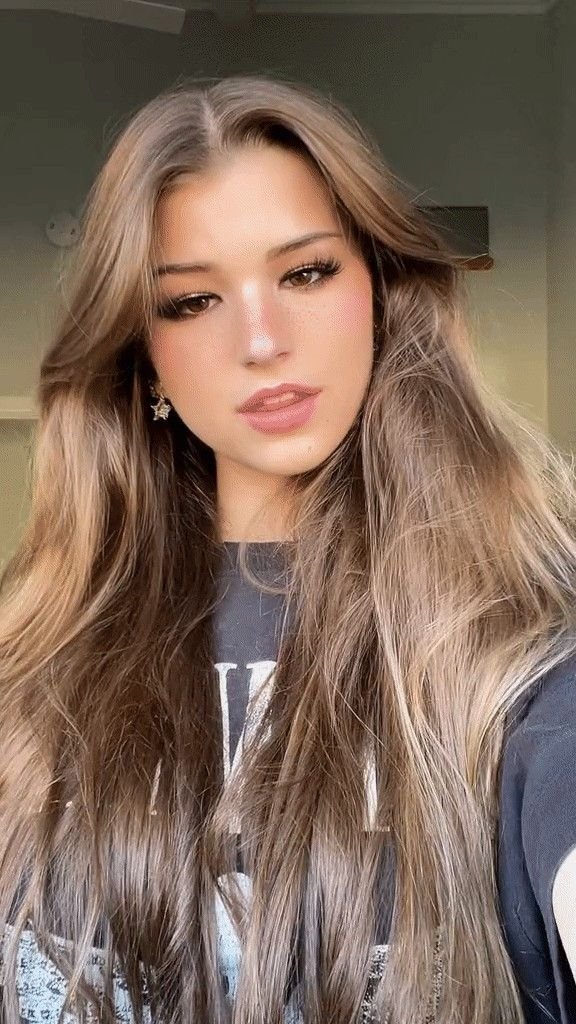
The internet went wild when Brooke Monk seemingly chopped off her signature long hair. The Brooke Monk hair cut reveal, or rather, fake reveal, sparked a flurry of reactions, highlighting how deeply invested her fans are in her image and personal choices. Was it a harmless prank, or did it cross a line? Let's break down what happened and why the reaction was so strong.
At a Glance:
- Understand the context of the Brooke Monk haircut prank and its impact.
- Explore the psychology behind fan reactions to influencer image changes.
- Learn why some pranks resonate while others miss the mark.
- Analyze the key elements of a successful online apology.
- Consider the ethical implications of pranking your audience.
The Anatomy of the Prank
On May 5th, 2024, Brooke Monk posted a TikTok video seemingly showcasing a drastic haircut, going from waist-length hair to a shoulder-length bob. The video, viewed nearly 100 million times, featured Monk holding a bundle of hair and sporting a noticeably shorter, curlier style. Further fueling the speculation, her boyfriend’s reaction, "You said you were never going to cut your hair! It looks so good," added another layer of believability. The reality? It was all a ruse using clever extensions and strategic camera angles. The reveal that the Brooke Monk hair cut was fake came shortly after, triggering a wave of mixed reactions.
Fan Reactions: From Shock to Disappointment
The initial response to the perceived Brooke Monk hair cut was shock and awe. Many fans expressed genuine sadness at seeing her long hair "gone," while others complimented the shorter style. The range of emotions was wide, from disbelief to acceptance.
- Shock & Sadness: “Nooo, not the long hair!”
- Compliments & Approval: “It looks so good on you!”
- Confusion & Suspicion: “Something seems off about this…”
However, the tone shifted dramatically when the truth was revealed. The dominant sentiment became disappointment, with many fans feeling betrayed by the prank. "Brooke you played with our feelings" became a common refrain. This highlights a crucial aspect of the influencer-fan relationship: trust. When that trust is perceived to be violated, even in a seemingly harmless prank, the backlash can be significant. For a broader understanding of the initial response and apology, check out Brooke Monk's Haircut Prank Backlash.
Why Did This Prank Backfire?
Several factors contributed to the negative reaction surrounding the Brooke Monk hair cut prank:
- Investment in Image: Fans often become invested in an influencer's image, seeing it as part of their identity. Drastic changes, even fake ones, can feel jarring.
- Implied Deception: The extended nature of the prank, including the boyfriend's staged reaction and subsequent videos hiding her hair, amplified the feeling of being deliberately misled.
- Perceived Lack of Sensitivity: Some viewers felt that the prank trivialized genuine concerns about body image and self-esteem, especially for those who have experienced significant hair loss or struggle with their appearance.
Example: Imagine a fitness influencer faking a weight gain and then revealing it as a prank. While some might find it funny, others could see it as insensitive to those struggling with weight issues.
The Art of a Good Apology (And Avoiding the Need for One)
Brooke Monk and her boyfriend issued an apology, acknowledging the hurt feelings and admitting they underestimated the reaction. While the apology may have appeased some, it also underscored the importance of carefully considering the potential impact of your content on your audience.
Key Elements of an Effective Apology:
- Sincerity: Demonstrate genuine remorse.
- Acknowledgment: Clearly state what you did wrong.
- Responsibility: Take ownership of your actions.
- Explanation (Brief): Provide context, but avoid making excuses.
- Plan of Action: Outline steps to prevent similar situations in the future.
Ethical Considerations: Pranks and Influencer Responsibility
Influencers wield significant power, shaping opinions and influencing trends. With that power comes responsibility. Before engaging in pranks, it's crucial to consider the ethical implications:
- Target Audience: Who is your primary audience, and how might they perceive the prank?
- Potential Harm: Could the prank cause emotional distress, anxiety, or insecurity?
- Transparency: Is it clear that the prank is intended as humor, or could it be misconstrued as genuine?
Decision Tree:
- Idea: Formulate your prank idea.
- Audience Check: How will your audience react? (Consider age, demographics, and past content).
- Harm Assessment: Could it cause distress or insecurity?
- Transparency Test: Is it obviously a prank?
- If YES to all: Proceed with caution.
- If NO to any: Reconsider the prank.
Quick Answers: The Brooke Monk Hair Cut Drama
Here are some quick answers to common questions surrounding the Brooke Monk hair cut prank:
Q: Was the Brooke Monk hair cut real?
A: No, it was a prank using extensions and clever camera angles.
Q: Why did fans get so upset?
A: Many felt betrayed by the deception and believed it trivialized body image concerns.
Q: Did Brooke Monk apologize?
A: Yes, she and her boyfriend issued an apology, acknowledging the hurt feelings.
Q: What can influencers learn from this situation?
A: To carefully consider the potential impact of their content and prioritize transparency with their audience.
Q: Was the apology enough?
A: That's subjective and depends on individual viewers. Some accepted it, while others remained disappointed.
The Takeaway: Think Before You Prank
The Brooke Monk hair cut prank serves as a valuable case study in influencer ethics and audience perception. While pranks can be a source of entertainment, they also carry the risk of alienating fans and damaging trust. Before embarking on a prank, consider your audience, the potential for harm, and whether the humor outweighs the potential negative consequences. Ultimately, authenticity and transparency are paramount in building strong, lasting relationships with your followers.
