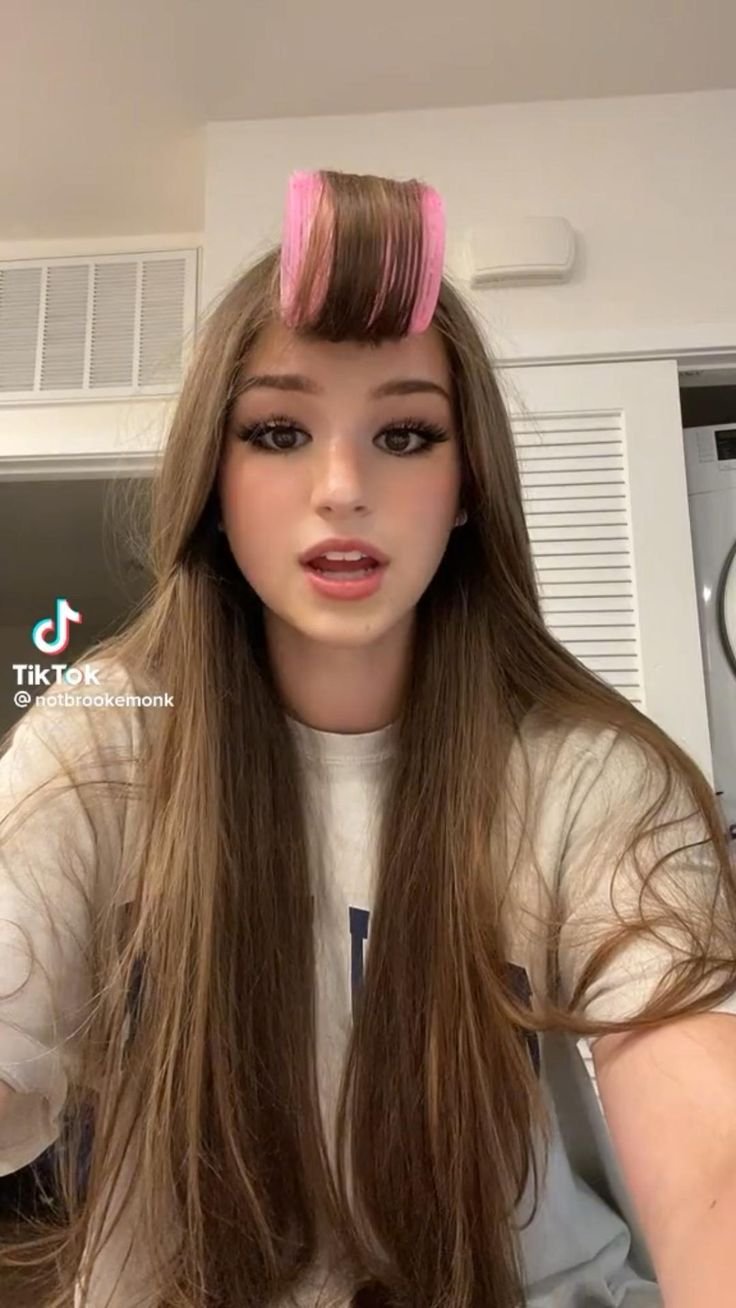
The internet blew up recently over the supposed Brooke Monk haircut, a dramatic transformation from her signature long locks to a chic, shorter style. But was it real? The story highlights the power of online influence, the complexities of influencer marketing, and the sometimes turbulent relationship between creators and their audiences.
At a glance:
- Brooke Monk posted a video seemingly showing her getting a dramatic haircut.
- The "haircut" turned out to be a prank using extensions.
- The prank received mixed reactions from fans, ranging from disappointment to amusement.
- Monk and her boyfriend issued an apology video.
- The incident raises questions about trust and authenticity in influencer marketing.
The Viral "Haircut" Heard 'Round the Internet
On May 5, 2024, Brooke Monk, a TikTok sensation known for her long, flowing hair, posted a video that sent her 32 million+ followers into a frenzy. In the video, Monk appeared to chop off a significant portion of her hair, revealing a shorter, curly style. The video, which quickly amassed nearly 100 million views, sparked a wave of reactions ranging from excitement to disbelief. Her boyfriend's supportive reaction in the video only added to the authenticity of the transformation. Fans loved the new look, flooding the comments section with compliments and praise. It seemed like a classic "glow-up" moment for the young influencer.
The Big Reveal: It Was All a Prank!
The excitement was short-lived. In subsequent videos, Monk revealed that the dramatic haircut was, in fact, a prank. She had used extensions to create the illusion of shorter hair. The internet's reaction, however, took a sharp turn. The reveal ignited a debate about the ethics of influencer pranks and the potential for manipulation.
Why the Backlash? Understanding the Fan Disappointment
The disappointment stemmed from a few key factors:
- Broken Trust: Fans felt misled. They had invested their emotions and excitement into a transformation that wasn't real.
- Manipulation of Emotions: Some viewers felt that Monk had intentionally manipulated their feelings for views and engagement. "I felt like I was genuinely happy for her, and then it was just... a joke," one commenter wrote.
- Unrealistic Expectations: Some feared that the prank could influence younger, more impressionable viewers to make drastic, potentially regrettable, hair decisions.
It's important to remember that many fans see influencers as relatable figures, almost like friends. When that perceived authenticity is challenged, it can lead to feelings of betrayal. The internet can also magnify reactions, leading to a larger sense of outrage than might exist offline.
The Apology and Its Aftermath
Recognizing the negative reaction, Monk and her boyfriend posted an apology video. They stated that they had not anticipated the prank would upset so many people and that they were genuinely sorry for any hurt feelings they caused. This is not unlike other situations that have occurred online, and there are ways to deal with it if you are in that situation, especially as it relates to Brooke Monks Latest Hair Transformation Brooke Monks Latest Hair Transformation. Influencer apology videos have become a genre of their own, often scrutinized and dissected for their sincerity (or lack thereof). Think of Colleen Ballinger's infamous ukulele apology – a stark reminder of how easily these attempts can backfire.
The apology, however, did little to quell the controversy entirely. Comments remained divided, with some accepting the apology and moving on, while others continued to express distrust and disappointment.
Was It Just a Harmless Joke? The Debate Rages On
The Brooke Monk haircut prank raises important questions about the responsibilities of influencers and the expectations of their audience.
Arguments in favor of the prank being harmless:
- It's just entertainment: Some argue that it was a lighthearted joke intended to entertain, not to deceive.
- No real harm done: No one was physically hurt, and it's "just hair."
- People need to lighten up: Some believe that the outrage was an overreaction and that people need to be less sensitive.
Arguments against the prank: - Erosion of trust: Pranks like this can erode trust between influencers and their audience, making it harder to maintain genuine connections.
- Potential for negative influence: As mentioned earlier, the prank could influence viewers to make impulsive decisions about their appearance.
- Manipulation for clicks: The primary motivation behind the prank may have been to generate views and engagement, rather than to entertain.
Lessons Learned: Navigating the Tricky World of Influencer Pranks
So, what can we learn from the Brooke Monk haircut saga?
For Influencers:
- Consider the potential impact: Before posting a prank, carefully consider how it might be perceived by your audience. Will it be seen as funny and harmless, or as manipulative and deceptive?
- Transparency is key: If you're planning a prank, be upfront about it from the beginning or reveal the truth quickly. Don't let it drag on and potentially amplify negative feelings.
- Own your mistakes: If you mess up, take responsibility, apologize sincerely, and learn from the experience. Don't try to deflect blame or make excuses.
- Consistency in your message: While it might be a prank, make sure that the message you are sending to your audience is in line with the standards set across your platform, even regarding Brooke Monks Chic Short Haircut Brooke Monks Chic Short Haircut.
For Viewers:
- Maintain a healthy dose of skepticism: Remember that influencers are often presenting a curated version of their lives. Don't take everything you see at face value.
- Don't invest too much emotion: It's okay to admire and be inspired by influencers, but don't let their actions dictate your own self-worth or happiness.
- Think critically about the content you consume: Ask yourself, "What is the purpose of this content?" "Is it trying to sell me something?" "Is it manipulating my emotions?"
- Remember that it's okay to unfollow: If an influencer's content makes you feel bad about yourself or if you feel like you can't trust them, it's perfectly acceptable to unfollow them.
What Does This Say About Influencer Culture?
Incidents like the Brooke Monk haircut prank highlight the evolving landscape of influencer culture. As influencer marketing becomes more sophisticated and competitive, the pressure to create engaging content increases. This can lead to questionable tactics, such as pranks and clickbait, that prioritize views over authenticity.
The long-term consequences of these tactics could be significant. If viewers lose trust in influencers, the entire industry could suffer. It's crucial for influencers to prioritize transparency, honesty, and genuine connection with their audience in order to maintain their credibility and longevity.
How to Get Your Best Hair, Prank-Free
Let's pivot to something positive: achieving your own best hair, without any deceptive tricks. Here's a practical guide to help you explore different styles and find what works for you:
- Assess Your Hair Type: Understanding your hair type (straight, wavy, curly, coily) is essential. This will determine the right products and styling techniques.
- Research Hairstyles: Look for hairstyles that complement your face shape and hair texture. Consider factors like maintenance, styling time, and suitability for your lifestyle.
- Consult with a Stylist: A professional stylist can provide personalized advice and help you choose a hairstyle that suits you.
- Consider Extensions (Responsibly): If you're looking to add length or volume, extensions can be a great option, but use them ethically. Be transparent about wearing them and choose high-quality extensions that blend seamlessly with your natural hair. In the case of Brooke Monk's Hair Secrets Brooke Monks Hair Secrets, her long hair is natural, but finding ways to replicate the length is possible.
- Experiment Gradually: Don't be afraid to try new things, but start with small changes and gradually work your way up to more dramatic transformations.
- Prioritize Hair Health: Healthy hair is beautiful hair. Use quality products, eat a balanced diet, and avoid excessive heat styling.
Common Questions About Influencer Ethics (Answered!)
- Is it ever okay for influencers to do pranks? It depends on the nature of the prank and the potential impact on the audience. Harmless, lighthearted pranks that don't deceive or manipulate are generally more acceptable.
- What are the ethical responsibilities of influencers? Influencers have a responsibility to be transparent about sponsored content, to avoid making false or misleading claims, and to act in the best interests of their audience.
- How can viewers tell if an influencer is being authentic? It can be difficult to tell for sure, but look for influencers who are consistent in their message, who are open and honest about their lives, and who engage with their audience in a genuine way.
- What should I do if I feel like an influencer has misled me? You have the right to unfollow them, to leave negative comments, and to report them to the relevant social media platform.
Moving Forward: The Future of Influencer Marketing
The Brooke Monk haircut incident serves as a valuable reminder of the importance of authenticity and transparency in influencer marketing. As the industry continues to evolve, it's crucial for influencers to prioritize genuine connection with their audience and to avoid tactics that could erode trust. For viewers, maintaining a healthy dose of skepticism and thinking critically about the content they consume is essential. By working together, influencers and viewers can create a more positive and sustainable online environment.
Ultimately, the best "hair transformation" is one that comes from a place of self-love and genuine expression, free from deception and unrealistic expectations.
