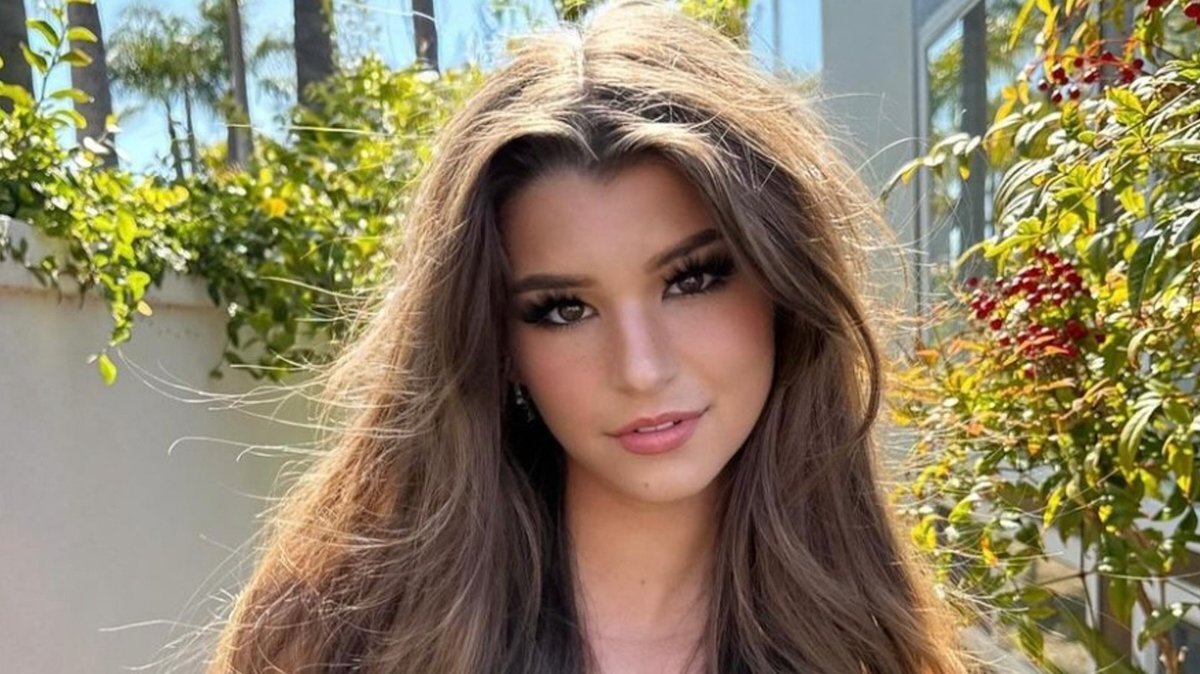
It's undeniable: Brooke Monk's long hair is a signature element of her brand. While she recently played a prank on fans with a faux haircut, the reality is that her flowing locks are highly coveted. So how can you achieve and maintain that enviable Brooke Monk long hair look?
At a Glance
- Discover the secrets to growing and maintaining healthy, long hair like Brooke Monk.
- Learn styling techniques to replicate her signature waves and updos.
- Identify the right products and tools for your hair type.
- Understand how diet and lifestyle contribute to hair health.
- Address common long hair challenges like breakage and split ends.
The Foundation: Growing Healthy, Long Hair
The journey to achieving "Brooke Monk long hair" starts with the basics: cultivating healthy hair from the roots up. It's not just about length; it's about strength, shine, and manageability.
- Genetics Play a Role: Let's be honest, some people are simply predisposed to faster hair growth and thicker strands. However, genetics aren't destiny! You can maximize your hair's potential with the right care, regardless of your genetic starting point.
- Patience is Key: Hair typically grows about half an inch per month. Reaching significant length takes time. Don't get discouraged if you don't see overnight results. Focus on consistent care.
Nurturing From the Inside Out: Diet and Supplements
What you eat directly impacts the health of your hair. A balanced diet rich in vitamins and minerals is essential.
- Key Nutrients: Iron, zinc, biotin, vitamin D, vitamin C, and omega-3 fatty acids are all crucial for hair growth and strength.
- Food Sources:
- Iron: Lean meats, spinach, lentils
- Zinc: Oysters, beef, pumpkin seeds
- Biotin: Eggs, almonds, sweet potatoes
- Vitamin D: Fatty fish, fortified dairy
- Vitamin C: Citrus fruits, berries, bell peppers
- Omega-3s: Salmon, flaxseeds, walnuts
- Supplements: If you suspect you're deficient in any of these nutrients, consider a supplement after consulting with your doctor. Be cautious; excessive intake of some vitamins can be harmful.
Building a Hair Care Routine for Length
A consistent and gentle hair care routine is vital for minimizing breakage and promoting growth.
- Washing Frequency: Over-washing can strip your hair of its natural oils, leading to dryness and breakage. Aim for 2-3 washes per week, depending on your hair type. Drier hair can go longer between washes.
- Shampoo and Conditioner Selection: Choose sulfate-free shampoos and moisturizing conditioners that are formulated for your hair type (oily, dry, fine, thick, color-treated).
- Deep Conditioning: Incorporate a deep conditioning treatment once a week to hydrate and strengthen your hair. Look for products containing ingredients like shea butter, argan oil, or coconut oil.
- Leave-In Conditioner: A leave-in conditioner helps detangle, moisturize, and protect your hair from heat and environmental damage. Apply it to damp hair after washing.
Minimizing Damage: Heat Styling and Protective Styles
Excessive heat styling and tight hairstyles can wreak havoc on long hair.
- Minimize Heat Exposure: Reduce your use of heat styling tools (blow dryers, curling irons, straighteners). When you do use them, apply a heat protectant spray to shield your hair from damage.
- Lower Heat Settings: Opt for lower heat settings on your styling tools. Higher temperatures don't necessarily style hair faster; they just cause more damage.
- Protective Styles: Protective styles like braids, buns, and twists can help reduce breakage by keeping your hair tucked away and protected from the elements. Avoid styles that are too tight, which can put stress on your scalp and hair follicles.
- Silk or Satin: Sleeping on a silk or satin pillowcase can reduce friction and prevent breakage. Consider using a silk or satin scrunchie instead of traditional hair ties.
The Art of the Trim: Keeping Your Length Healthy
It might seem counterintuitive, but regular trims are essential for maintaining long, healthy hair.
- Why Trim? Trimming removes split ends, which can travel up the hair shaft and cause further breakage.
- How Often? Aim for a trim every 8-12 weeks, even if you're trying to grow your hair out.
- Dusting: For those who are really committed to length, “dusting” involves trimming only the very ends of the hair to remove the tiniest splits. It’s incredibly subtle, but effective.
Recreating Brooke Monk's Signature Styles
Brooke Monk is known for her effortless, beachy waves and chic updos. Here’s how to recreate some of her signature looks.
- Beachy Waves:
- Prep: Start with slightly damp hair.
- Product: Apply a texturizing spray or mousse.
- Styling: Use a large-barrel curling iron or wand to curl sections of hair away from your face. Alternate the direction of the curls for a more natural look.
- Finishing: Run your fingers through your hair to loosen the curls and create a more relaxed wave.
- Hold: Finish with a light-hold hairspray.
- High Ponytail:
- Prep: Brush your hair to remove any tangles.
- Gather: Gather your hair into a high ponytail at the crown of your head.
- Secure: Secure with a hair tie.
- Volume: Tease the hair at the crown of your head for added volume.
- Smooth: Smooth any flyaways with hairspray.
- Messy Bun:
- Prep: Start with slightly textured hair.
- Gather: Gather your hair into a loose bun at the top or back of your head.
- Secure: Secure with a hair tie or bobby pins.
- Loosen: Pull out a few strands of hair around your face for a more relaxed look.
- Hold: Finish with a light-hold hairspray.
Product Power: Choosing the Right Formulas
The right products can make all the difference in achieving and maintaining healthy, long hair.
- Shampoo: Opt for sulfate-free shampoos to avoid stripping your hair of its natural oils.
- Conditioner: Choose a moisturizing conditioner that contains ingredients like shea butter, argan oil, or coconut oil.
- Deep Conditioner: A weekly deep conditioning treatment is essential for hydrating and strengthening long hair.
- Leave-In Conditioner: A leave-in conditioner helps detangle, moisturize, and protect your hair from heat and environmental damage.
- Heat Protectant: Always use a heat protectant spray before using any heat styling tools.
- Hair Oil: A lightweight hair oil can help smooth frizz, add shine, and protect your hair from damage. Argan oil, jojoba oil, and coconut oil are all good options.
- Texturizing Spray/Mousse: These products can help add volume and texture to your hair, making it easier to style.
- Hairspray: Choose a light-hold hairspray to keep your style in place without weighing it down.
Addressing Common Long Hair Challenges
Long hair comes with its own set of challenges. Here's how to address some of the most common issues:
- Breakage: Breakage is a common problem for long hair. To prevent it, handle your hair gently, avoid over-processing, and use heat protectant when styling.
- Split Ends: As mentioned earlier, regular trims are the best way to combat split ends.
- Tangles: Detangle your hair gently with a wide-tooth comb, starting at the ends and working your way up to the roots. Use a leave-in conditioner or detangling spray to help loosen knots.
- Dryness: Dry hair is prone to breakage. Deep conditioning treatments and leave-in conditioners can help hydrate and moisturize your hair.
- Frizz: Frizz can be caused by dryness, humidity, or damage. Use a hair oil or anti-frizz serum to smooth flyaways and add shine.
- Lack of Volume: Long hair can sometimes look flat and lifeless. Use volumizing products and styling techniques to add lift and body.
The Power of Prevention: Smart Habits for Long Hair
Beyond products and styling, your daily habits greatly affect hair health.
- Gentle Handling: Be gentle when brushing, washing, and styling your hair. Avoid rough towel drying.
- Wide-Tooth Comb: Use a wide-tooth comb to detangle your hair, starting at the ends and working your way up.
- Protective Hairstyles: Wear your hair in protective styles like braids or buns to minimize damage, especially while sleeping or exercising.
- Avoid Tight Elastics: Use hair ties without metal pieces and avoid pulling your hair too tightly.
- Limit Chemical Treatments: Over-processing your hair with perms, relaxers, or harsh dyes can cause significant damage.
Troubleshooting Your Hair Journey
Even with the best care, you might hit snags. Here are a few common troubleshooting scenarios:
- Hair Growth Stalled? Re-evaluate your diet, stress levels, and hair care routine. Consider a consultation with a dermatologist or trichologist.
- Excessive Shedding? Hair shedding is normal (50-100 strands per day), but excessive shedding could indicate an underlying issue. See a doctor to rule out any medical conditions.
- Persistent Dryness? Experiment with different deep conditioning treatments and hair oils. Consider using a humidifier, especially during dry months.
Brooke Monk's Hairstyle Stunt: Context and What Really Matters
While we've focused on achieving Brooke Monk long hair, it's worth remembering the recent buzz around her "haircut prank." Understanding the context behind that event helps appreciate the value placed on her signature look. You can explore the details of that situation in this article: Brooke Monk's Hairstyle Stunt Explained. The prank itself highlights the attachment fans have to her hair and how much it contributes to her overall image.
Quick Answers: Common Questions About Long Hair
- Q: How long does it take to grow long hair? A: It varies, but typically it takes several years to grow very long hair. Average growth is about 1/2 inch per month.
- Q: Can I speed up hair growth? A: While you can't drastically speed up growth, optimizing your diet, minimizing damage, and stimulating your scalp can help.
- Q: Are hair growth products effective? A: Some products may help, but results vary. Look for products with ingredients like minoxidil or rosemary oil. Consult a dermatologist for personalized recommendations.
- Q: How can I make my hair look thicker? A: Volumizing products, texturizing sprays, and strategic layering can help create the illusion of thicker hair.
- Q: Is it bad to brush your hair when it's wet? A: Wet hair is more prone to breakage, so be extra gentle when brushing it. Use a wide-tooth comb and start at the ends.
- Q: Does cutting your hair make it grow faster? A: No, cutting your hair doesn't make it grow faster from the roots, but it does remove split ends, which can prevent breakage and make your hair appear to grow faster.
Your Actionable Guide to Long Hair Success
Here’s your quick-start plan to embracing the “Brooke Monk long hair” aesthetic:
- Assess Your Hair Health: Identify any existing issues (breakage, dryness, etc.).
- Optimize Your Diet: Focus on nutrient-rich foods and consider supplements.
- Create a Gentle Routine: Wash less, condition deeply, and protect from heat.
- Style Strategically: Minimize heat, embrace protective styles, and learn a few signature looks.
- Be Patient & Consistent: Results take time. Stick to your routine and celebrate small victories.
Achieving the Brooke Monk long hair look requires dedication, consistency, and a personalized approach. By understanding the science behind hair growth, adopting healthy habits, and mastering a few styling techniques, you can unlock your hair's full potential and rock those flowing locks with confidence.
